
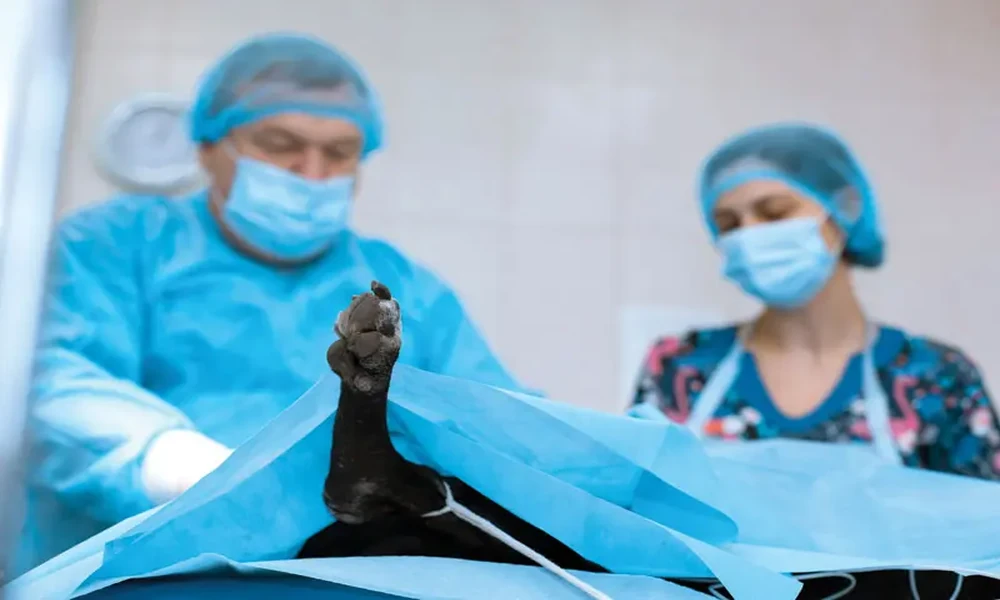

You bring your pet in for what seems like a routine visit, then the conversation shifts. Your general veterinarian or a veterinarian in West Grove sees something that needs a closer look, more advanced imaging, or care that falls outside a primary clinic’s day to day scope. That moment can feel heavy. You are trying to process new information, worry about your pet, and make a good decision fast.
This is where strong referral relationships matter. How general veterinarians partner with specialists when needed is not about handing your pet off and stepping away. It is about coordinated care. Your regular vet stays involved, the specialist adds deeper training in a certain area, and your pet gets a plan built around the problem in front of them. That kind of teamwork often means quicker answers, more precise treatment, and less confusion for you.
General veterinarian and specialist collaboration improves care at the right time
Your general veterinarian handles a wide range of needs. Wellness exams, vaccines, skin issues, stomach upset, ear infections, arthritis management, early diagnostics, and long term monitoring all live in primary care. They know your pet’s history, your concerns, and the small changes that may not show up on paper but still matter.
Some cases need more. A heart murmur may call for a cardiologist. Seizures may need a neurologist. A complex fracture may need a surgeon. Cancer treatment may involve an oncologist. In those moments, general veterinarian specialist collaboration helps move care forward instead of leaving you stuck in uncertainty.
Referral does not mean your veterinarian missed something or could not help. It usually means they recognized where a specialist can add value. That judgment protects your pet. It can also save time and money by narrowing the next steps instead of repeating tests that do not answer the real question.
The strongest referral relationships are built on communication. Your veterinarian sends records, test results, imaging, medication history, and the reason for referral. The specialist reviews that information, examines your pet, and sends findings back. You are not expected to stitch the story together on your own. A good team already does that behind the scenes.
You can read more about the benefits of referral relationships and how those partnerships support better continuity of care.
Veterinary referral partnerships reduce delays, stress, and repeated testing
When referral happens early enough, it often changes the whole experience. A pet with chronic vomiting, for example, may start with diet changes, bloodwork, and X rays at the primary clinic. If those first steps point to a more complex gastrointestinal issue, referral to an internal medicine specialist can bring ultrasound, endoscopy, and a more focused treatment plan into the picture. Instead of guessing for weeks, you move toward answers.
Delay can make simple problems harder and hard problems more expensive. A limp that does not improve may turn out to be a ligament injury. A skin problem that keeps returning may involve allergies, immune disease, or infection patterns that need a dermatologist’s input. The cost of waiting is not only financial. It is emotional too. You keep watching your pet struggle, wondering if you are missing your chance to help.
Veterinary referral partnerships also support preventive care. Pets with breed related heart risks, recurring urinary issues, or long term endocrine disease may benefit from specialist input before a crisis starts. Collaboration between primary care vets and specialists can help keep pets stable longer and catch changes earlier. This piece on preventative care and collaboration explains that connection well.
Primary care and specialty veterinary care serve different but connected roles
It helps to know what each side usually handles, because that clears up a lot of fear around referral.
| Aspect | General Veterinarian | Specialist |
|---|---|---|
| Main role | Routine care, first evaluation, broad diagnosis, ongoing monitoring | Advanced diagnosis and treatment in one focused area |
| Relationship with your pet | Knows full health history and long term patterns | Evaluates a specific condition or body system |
| Common tools | Wellness exams, standard lab work, vaccines, first line treatment | Advanced imaging, specialized procedures, complex case management |
| Best use | Starting point for most health concerns and follow up care | When the condition is severe, unclear, rare, or not responding as expected |
| Communication | Initiates referral and helps manage care before and after specialist visits | Reports findings and recommendations back to the primary vet |
This is why specialty veterinary care works best as an extension of primary care, not a replacement for it. Your general veterinarian remains central. They often handle rechecks, medication monitoring, and the day to day side of recovery once the specialist has mapped out the treatment plan.
Three steps help you make the most of a specialist referral
1. Ask what the referral is meant to answer. You do not need a full medical education. You do need clarity. Ask what your veterinarian suspects, what the specialist can do that the primary clinic cannot, and whether the referral is urgent or time sensitive. That turns a scary recommendation into a clear next step.
2. Bring a full timeline of symptoms and treatments. Even when records are sent ahead, your own notes matter. Write down when the problem started, what changed, which medications helped or failed, and any patterns you noticed at home. A short timeline can help both the general veterinarian and specialist connect details faster.
3. Confirm who handles follow up care. Some treatments stay with the specialist for a while. Others come back to your regular clinic after the procedure, diagnosis, or care plan is set. Ask who to call for medication side effects, rechecks, and emergencies. Clear roles lower stress and prevent gaps in care.
If you still have questions about how referrals work, these veterinary referral FAQs can help fill in the practical details.
Coordinated veterinary care gives your pet a stronger support system
When your pet needs more than routine care, the best outcome often comes from a team approach. A general veterinarian sees the whole picture. A specialist brings deeper focus when the case calls for it. Together, they create safer, more informed care with fewer blind spots.
If your veterinarian recommends a referral, you are not losing your main source of support. You are adding to it. Follow the plan, ask direct questions, and keep communication open with both clinics. That partnership gives your pet the best chance at steady, thoughtful care.