
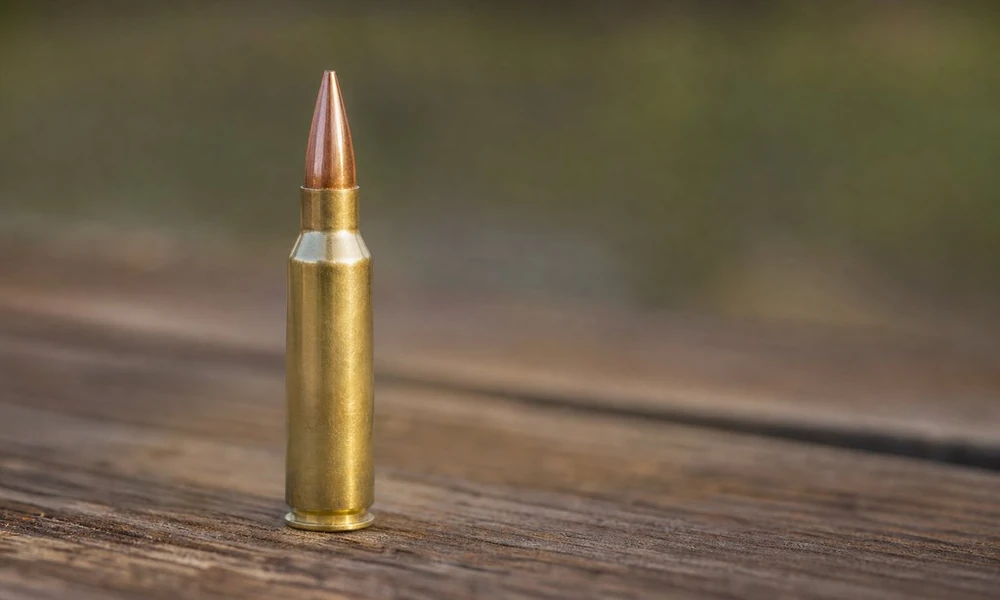

Boxes of firearm ammunition
At first glance, every box of ammo looks like every other box. But there are many factors that go into selecting the perfect cartridge. Components, consistency, construction, and application are just a few things that separate one cartridge from another. While there isn’t a “one-size-fits-all” answer for choosing the best ammunition for your gun, you should choose the right manufacturer based on your gun’s requirements, the purpose for which you will use it, and your budget.
Firearm Compatibility Comes First
Always be sure your cartridge matches the chamber marking of your firearm. Don’t assume you can use a particular cartridge just because it looks similar or sounds close to the required caliber, and don’t select a cartridge based on advice meant for someone else’s gun.
Consult your owner’s manual to determine what cartridges are permitted, what the pressure rating is, and if there are any limitations related to projectile type. This is one of those rules that you should really pay attention to, as your firearm may not be able to handle higher pressure levels, or there may be limits on what bullets you can use.
You should make sure that the following criteria are met before trying a new load:
- The caliber or gauge is correct.
- The cartridge matches the pressure rating specified by the manufacturer.
- The weight and shape of the bullet are correct.
- The cartridge is factory loaded and undamaged.
No amount of quality control from a good brand can fix a cartridge that won’t work with your gun.
What Is the Ammunition For?
There are significant differences in target, training, hunting, and defensive rounds. You’ll want to choose the best type of round for your needs. You might pick something with lower recoil for practice and learning purposes, or opt for a different round altogether for a hunting trip or home defense.
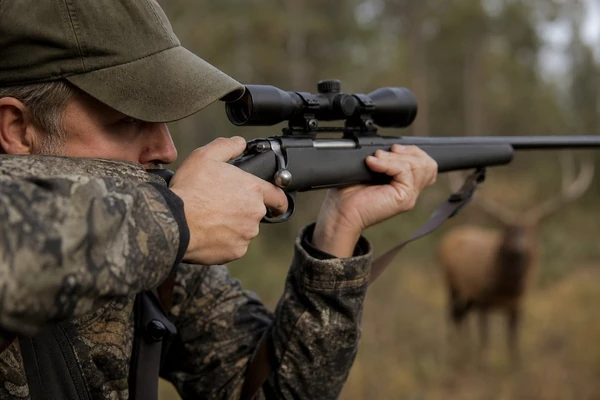
Different types of firearm ammunition
When it comes to practice shooting, it’s common to use full-metal jacket-style bullets (Britannica’s version at www.britannica.com/technology is the least fluffy) since they feed well and tend to have lower prices. However, you may need to consider other factors when it comes to other uses. Not all bullets are created equal, so what’s best for a training round isn’t necessarily what you want for a hunting scenario. Also, the recoil from your preferred round might make it hard to enjoy a long range session.
When testing out a new type of round, start by picking up one box of 20 rounds. You’ll be able to see if it feeds properly in your gun, shoots accurately, and feels comfortable to shoot.
Then there’s environment. What works well on an indoor range could perform differently in cold temperatures, rain, or after you’ve carried it around for a day. If you’re saving ammo for the real deal, check your ammo regularly to make sure there is no corrosion, bad seals, or setback from chambering it repeatedly. Keep the boxes in a cool dry location, and label them if you only have part of a box so you don’t open up a box and find out you only have one or two rounds left before your next trip to the range.
Packaging, Price, and Reliability Matter
You can learn a lot from reading the packaging, but it shouldn’t be your only reference. Pay attention to the caliber, the type of bullet, the weight, and the pressure. Some manufacturers offer multiple versions of the same caliber, each designed for a specific purpose – more on Choosing an ammo brand for your firearm at AmmoMan if you want that route.
Other factors to look out for include:
- Case appearance.
- Primer.
- Lot number on the packaging.
- Shape of the bullet.
- Feel of the recoil.
- Whether the same ammo is available for purchase in the future.
Don’t assume that a cartridge that works in one gun will work in another. Even when two guns are the same model, you may find one fails to cycle properly.
Cheapest doesn’t mean best when the cheaper option leads to more malfunctions or less accuracy. On the other hand, the most expensive option isn’t always going to be worth it for a day at the range.
It makes sense to purchase a cheaper, reliable round for practice shooting and save the higher-end rounds for special occasions. If you’re going to spend a lot of time at the range, keep track of any changes in accuracy or reliability after using different ammo.
Once you find a good load, try to get the same version from the same batch if possible. Moving back and forth between very different rounds will change how the gun shoots.
Good ammunition should cycle without issues, work for its intended purpose, and let you focus on shooting rather than worrying about your round. Look over the instructions for your gun, examine each box before firing it, and keep notes on any problems during your next range session.