
You brush, you floss when you remember, and if nothing hurts, it is easy to push the dentist lower on the list. Work runs late, kids need rides, money feels tight, and a routine appointment can seem optional. A lot of people live in that exact space, and for many, finding the right dental practice in Trinidad and Tobago feels like one more thing to manage, hoping their teeth are fine because they need them to be fine.
The problem is that oral health issues often stay quiet until they are expensive, painful, or hard to reverse. Cavities can start small. Gum disease can build without obvious symptoms. Teeth can crack, wear down, or shift gradually, and by the time you notice, the fix is bigger than a simple cleaning. That is why Why Biannual General Dentistry Visits Are Essential For Long Term Health is more than a catchy phrase. Seeing a general dentist twice a year helps catch trouble early, protect your overall health, and lower the odds of urgent dental care later.
Routine dental checkups protect more than your teeth
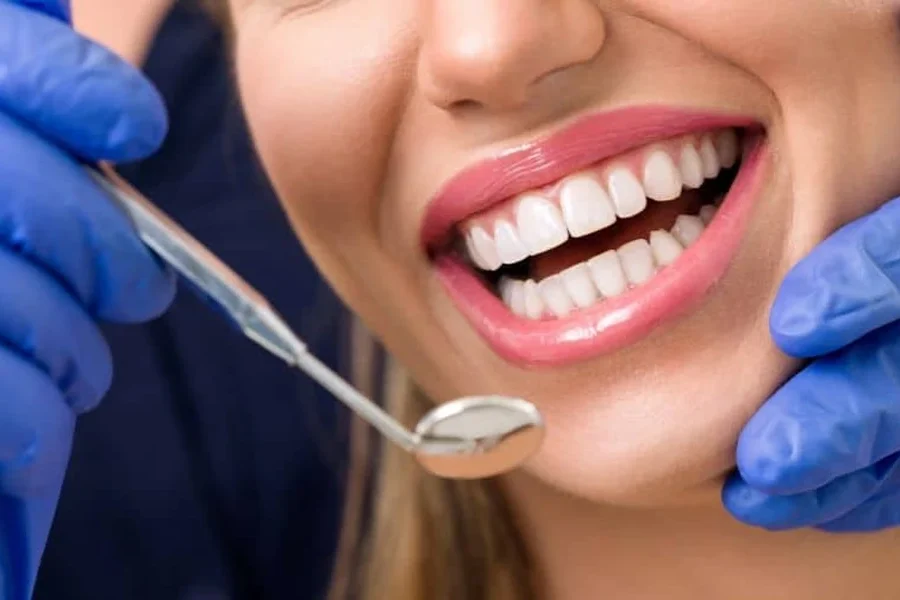
A biannual dental exam does two jobs at once. It looks for current problems, and it helps prevent new ones. During regular visits, a general dentist checks for decay, gum inflammation, plaque buildup, enamel wear, bite changes, and signs of grinding or clenching. Professional cleanings remove hardened tartar that brushing at home cannot handle.
That matters because your mouth does not operate separately from the rest of your body. Gum disease has been linked with broader health concerns, and ongoing inflammation is never something to ignore. The NIH’s oral and dental health resources explain how oral conditions connect with overall wellness, including nutrition, speech, and daily comfort.
If you have ever waited on a small ache because you were busy or worried about cost, you already know how quickly a minor issue can turn into a root canal, extraction, or crown. Preventive dental care works because it interrupts that pattern early.
Skipping biannual dental visits often leads to higher costs and more stress
People rarely skip the dentist because they do not care. They skip because life gets crowded or because nothing feels wrong. That logic makes sense in the moment, but teeth do not always give early warnings. A cavity can form between teeth where you cannot see it. Gum disease can start with mild bleeding that feels easy to dismiss. A broken filling can leave a tooth vulnerable long before sharp pain starts.
Then the call gets made in a panic. You wake up with swelling before a trip. Your child notices your breath has changed. You bite down and feel a crack. At that point, the visit is no longer routine. It is urgent, disruptive, and usually more expensive.
Twice yearly dental appointments help reduce that cycle. They create a steady record of what is changing in your mouth, which makes it easier to act before treatment becomes more invasive. They also give your dentist a chance to spot patterns tied to stress, diet, dry mouth, medications, or nighttime grinding.
Regular general dentist visits support prevention at every stage of life
Your dental needs change over time, but prevention stays useful at every age. Younger adults may need help with cavities, wisdom tooth issues, or damage from sports and grinding. Midlife often brings more gum recession, worn dental work, and changes related to stress or medications. Older adults may deal with dry mouth, root decay, and the upkeep of crowns, bridges, or dentures.
The Centers for Disease Control and Prevention offers oral health tips for adults that reinforce the basics, including brushing with fluoride toothpaste, cleaning between teeth, and getting regular dental care. Home care matters, but it does not replace professional exams and cleanings. It works best alongside them.
Regular dental visits also help if you have diabetes, smoke, are pregnant, take medications that cause dry mouth, or have a history of gum disease. Those factors can raise your risk for oral health problems, which makes consistent follow through even more useful.
Preventive dental care and delayed treatment are not equal choices
| Approach | What It Usually Involves | Likely Outcome |
|---|---|---|
| Biannual general dentist visits | Exams, cleanings, X rays as needed, early treatment planning | Problems found earlier, lower risk of pain, more predictable costs |
| Only going when something hurts | Emergency exam, urgent repair, possible infection control | More discomfort, more time away from work, higher treatment costs |
| Home care without professional visits | Brushing, flossing, mouthwash, watching for symptoms | Better than neglect, but tartar, hidden decay, and gum disease can still progress |
The difference is not just clinical. It affects your schedule, your budget, your sleep, and your ability to eat and speak without thinking about your teeth all day. Prevention is easier to live with than damage control.
Three steps that make routine dental care easier to keep up with
1. Put both visits on your calendar now. Do not wait until you “have time.” Pick one appointment for the next six months and one for six months after that. Treat them like annual physicals or school deadlines. They are easier to keep when they already have a place in your year.
2. Pay attention to small signs. Bleeding gums, bad breath that lingers, sensitivity, jaw soreness, and food catching between teeth are not random annoyances. They are often early clues. Bring them up at your visit, even if they seem minor.
3. Make home care support your dental visits. Brush twice a day with fluoride toothpaste, clean between your teeth daily, and cut back on frequent sugary snacks and drinks. If dry mouth or grinding is an issue, say so. A general dentist can suggest products or protective options that fit your situation.
Long term health gets stronger with consistent dental care
You do not need a perfect routine to benefit from seeing a dentist twice a year. You just need consistency. Biannual visits give you a chance to catch problems early, protect your gums, preserve your teeth, and avoid the stress that comes with preventable dental emergencies.
If it has been a while, that does not mean you failed. It means now is a good time to restart. Schedule your next visit with a general dentist and give your future self one less problem to manage.