
You noticed your cat’s eye looks cloudy, and now every blink feels loaded. Maybe your cat is squinting, hiding, pawing at the face, or acting almost normal except for that one eye that suddenly looks wrong. That kind of change is hard to ignore, and it should be, which is why many pet owners turn to experienced veterinarians in downtown Fontana CA. A cloudy eye in a cat can point to irritation, injury, infection, an ulcer, inflammation, glaucoma, or deeper disease inside the eye. Some causes are treatable with quick care. Some can threaten vision fast.
An animal hospital visit for a cat with a cloudy eye is not overreacting. It is the right move when an eye turns hazy, blue, white, or milky, especially if your cat seems painful. The goal is simple. Find out whether this is a surface problem, such as a scratch on the cornea, or something more serious affecting pressure, infection, or the inner eye.
A Cloudy Cat Eye Often Means More Than Simple Irritation
A cat’s eye can look cloudy for several reasons, and they do not all look dramatic at first. A tiny corneal ulcer can start with tearing and squinting. Inflammation inside the eye can create a dull, foggy look. Glaucoma can cause cloudiness along with a larger pupil, redness, and pain. Trauma from rough play, a plant, dust, or another pet can damage the eye even if you never saw the moment it happened.
The hard part is that many eye problems look similar from across the room. You may only see one sign, and it may not seem like an emergency until it gets worse by the hour. Cats also hide pain well. A cat that still eats dinner can still have a very painful eye.
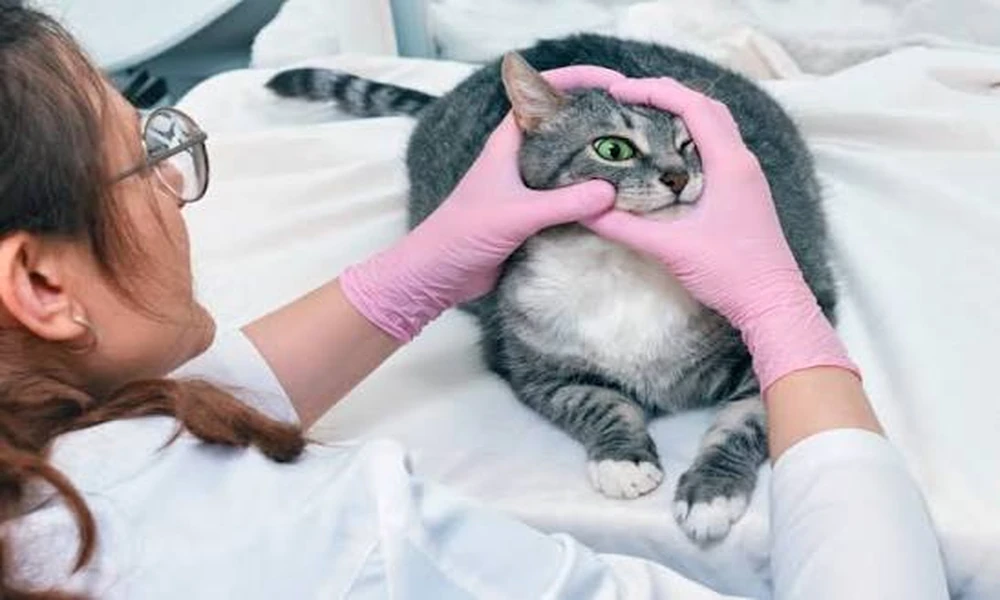
This is why a vet visit for a cat eye problem matters. The exam is not just a quick look. The veterinarian may check for scratches or ulcers with stain, measure eye pressure, examine the cornea and structures inside the eye, and look for discharge, swelling, or signs of infection. That is how they sort out a problem that needs drops, medication, pain control, or urgent specialty care.
Delaying Care Can Raise the Risk to Vision and Comfort
If the cloudiness is caused by a corneal ulcer, delay can make a painful surface injury deeper and harder to treat. Cornell’s Feline Health Center explains that corneal ulcers in cats can come from trauma, infection, and other eye disease, and they need prompt veterinary attention. A deeper ulcer can threaten the strength of the cornea itself.
Some ulcers are more dangerous than they sound. The University of Tennessee notes that a stromal ulcer involves deeper corneal layers and may require aggressive treatment or surgery to protect the eye. Their guide on stromal corneal ulcers in small animals shows why quick care matters when the cornea is no longer just mildly irritated.
Owners often wait because they hope the eye will clear on its own by morning, or because they have saline at home, or because the cat hates carriers and car rides. That hesitation is understandable. It can also cost you more, both medically and financially. A simple exam and medication early can be far less expensive than emergency treatment, surgery, or permanent vision loss later.
The Animal Hospital Exam Gives Answers Home Care Cannot
Home care has limits. You cannot tell at home whether your cat has high eye pressure, a deep corneal injury, uveitis, or a foreign body stuck under the eyelid. You also cannot safely guess which drops are appropriate. Some medications help one eye problem and make another much worse. Steroid drops are one example. If an ulcer is present, the wrong medication can delay healing and increase risk.
An animal hospital exam gives you something online searching cannot. It gives you a diagnosis based on what is actually happening in your cat’s eye today. That matters because treatment depends on the cause. One cat may need antibiotic drops and pain relief. Another may need pressure lowering medication. Another may need referral for surgery. “Cloudy eye” is a symptom, not a diagnosis.
Home Monitoring and an Animal Hospital Visit Are Not Equal Options
| Approach | What You Can Do | Main Risk | Best Use |
|---|---|---|---|
| Home monitoring | Observe squinting, discharge, redness, appetite, behavior changes | Misses ulcers, glaucoma, internal inflammation, and worsening pain | Only while arranging prompt veterinary care |
| Rinsing or cleaning at home | Gently wipe discharge from fur with clean damp gauze | Does not treat the cause, may delay needed treatment | Basic comfort before the appointment |
| Using old pet eye medication | Medication already in the house | Wrong drug can worsen ulcers or mask a serious problem | Not recommended without veterinary direction |
| Animal hospital exam | Eye stain, pressure test, close exam, diagnosis, treatment plan | Cost and stress of transport | Safest option for a cloudy, painful, or suddenly changed eye |
Three Steps to Take Right Away
1. Watch for red flag signs. Squinting, keeping the eye closed, pawing at the face, thick discharge, swelling, redness, a larger pupil, or sudden behavior changes all raise concern. If the eye looks bulging, very painful, or your cat seems disoriented, treat it as urgent.
2. Do not use leftover drops. Do not reach for old antibiotics, human eye drops, or steroid products. Keep your cat from rubbing the eye if you can, and gently clean discharge from the fur only. Avoid pressing on the eye.
3. Schedule a veterinary exam as soon as possible. A cat cloudy eye treatment plan depends on the cause, and the cause cannot be confirmed by appearance alone. If your regular clinic cannot see your cat quickly, call an urgent care or emergency animal hospital.
Prompt Care Protects Vision and Eases Pain
A cloudy eye is one of those symptoms that deserves respect. You are not being dramatic by taking it seriously. You are responding to a visible sign that your cat may be in pain and may need help quickly. Fast treatment can protect comfort, sight, and the eye itself.
If your cat has a cloudy eye, contact an animal hospital and arrange an exam as soon as you can. Getting answers early is often the simplest path forward.