
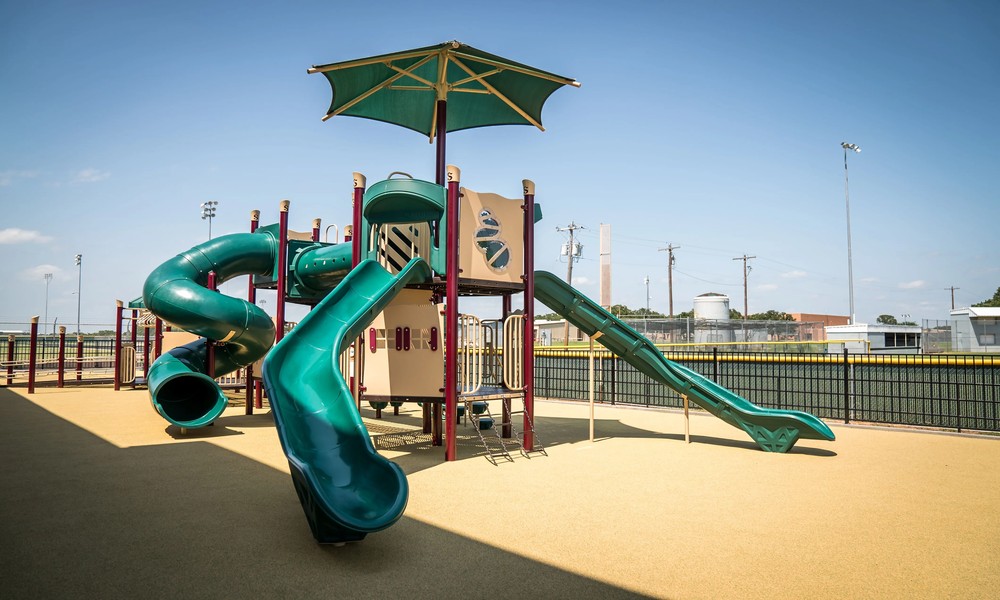

Walking through a vibrant playground, it is easy to forget the tension that underpins each swing, climber, and slide: the constant negotiation between lasting strength and imaginative expression. Playground designers and stakeholders face a unique challenge, ensuring that spaces are both safe and inspiring, robust enough to withstand years of exuberant use but creative enough to spark joy in every child who enters.
Early Commercial Playground Installations: Prioritizing Durability
Long before playgrounds became the colorful centerpieces of parks and schools, their primary mission was simple: endure heavy use and harsh weather. Early installations relied on steel, concrete, and pressure-treated wood. These materials were chosen for resilience, not flair, and often resulted in utilitarian layouts focused on basic climbing frames or swings.
Safety standards, especially those codified in the late 20th century, further cemented this focus. Regulations demanded sturdy anchoring, impact-absorbing surfaces, and predictable layouts, all of which shaped a design culture where longevity was king. The result? Playgrounds that reliably lasted, but often failed to capture the imagination.
Creativity, in this era, was mostly limited by practical constraints. The need for simple maintenance and the pressure to prevent injuries meant that flourishes or thematic elements rarely made it past the sketch phase.
The Rise of Creativity in Playground Design
Everything began to change as communities recognized that play value involved more than just durability. Thematic designs, whimsical shapes, and artistic flourishes made their way into public spaces, transforming the bland into the bold. Painted murals, unique climbing structures, and sensory panels invited children to invent stories and games of their own.
However, this creativity had to coexist with the ever-present demand for structural integrity. Designers learned to embed imagination within the rules, using sculpted plastics and creative layouts that still respected safety codes. Early creative installations often served as case studies, showing how thoughtful design could elevate a playground without sacrificing lifespan.
One example from Toronto’s city parks demonstrates this shift: designers incorporated nature-inspired climbing rocks and interactive musical elements, challenging the idea that safety and creativity had to be at odds.
Modern Innovations in Playground Materials and Technology
A new era of playground innovation is defined by advanced materials and modular components. Modern structures increasingly rely on eco-friendly composites that resist weathering and vandalism, while remaining gentle to the touch. These materials offer a palette for architects to shape more organic, engaging play spaces.
Modularity, meanwhile, allows for custom designs tailored to site-specific needs. Components can be rearranged or replaced as trends and safety standards evolve, turning static installations into dynamic environments. Importantly, new surface technologies and shock-absorbing bases enhance safety, meaning creativity does not have to be stifled in the pursuit of protection.
Regulatory Evolutions and Their Influence
As playgrounds have evolved, so too have the laws governing them. Accessibility standards, such as Ontario’s AODA requirements, have widened the scope of inclusive design. Designers and manufacturers must now consider ramps, tactile pathways, and universally accessible play zones, not simply as add-ons, but as integral features.
This push for accessibility sometimes constrains material choices and spatial layouts, but it also spurs innovation as teams devise playful solutions that meet or exceed compliance. Navigating these regulations demands creativity in its own right, ensuring that progress toward inclusivity does not come at the cost of inspiration.
Balancing Act: Combining Durability with Creativity Today
The most successful playgrounds today are born from collaboration. Architects, engineers, landscape designers, and educators work together to blend dreamlike spaces with realistic, maintainable infrastructure. Recent installations across the GTA showcase this teamwork in action, as playgrounds grow more imaginative without losing sight of long-term value.
For instance, Inspire Play playgrounds exemplify the modern approach, combining vibrant, artistic features with proven durability. These play spaces not only withstand daily wear but also engage children of all abilities and backgrounds.
Maintenance considerations remain central to the design process. Selecting UV-resistant colors, graffiti-proof coatings, and easily replaceable modules ensures that creativity is not fleeting but sustained, year after year.
Future Trends in Commercial Playground Installations
The next wave of playgrounds is poised to be even more interactive and eco-conscious. Smart technologies, interactive panels, responsive lighting, and digital play elements, will gradually make their way into commercial spaces. At the same time, adaptive designs that shift with community needs and climate realities are taking shape.
Sustainability remains at the forefront. Recyclable materials, rainwater-harvesting features, and living landscapes promise installations that nurture both children and the planet.
Practical Guidelines for Stakeholders
For those tasked with creating or maintaining a playground, the path to balance is clear:
– Choose materials that have proven longevity in your climate and community.
– Encourage designers to integrate creative features within regulatory and budgetary limits.
– Plan for ongoing maintenance; periodic inspections and quick repairs preserve both safety and play value.
– Prioritize inclusive elements so that all children can enjoy the space.
In the end, the most memorable playgrounds are those that stand the test of time while fostering endless adventures. By embracing both durability and creativity, communities can ensure play is, and always will be, a joyful constant.