
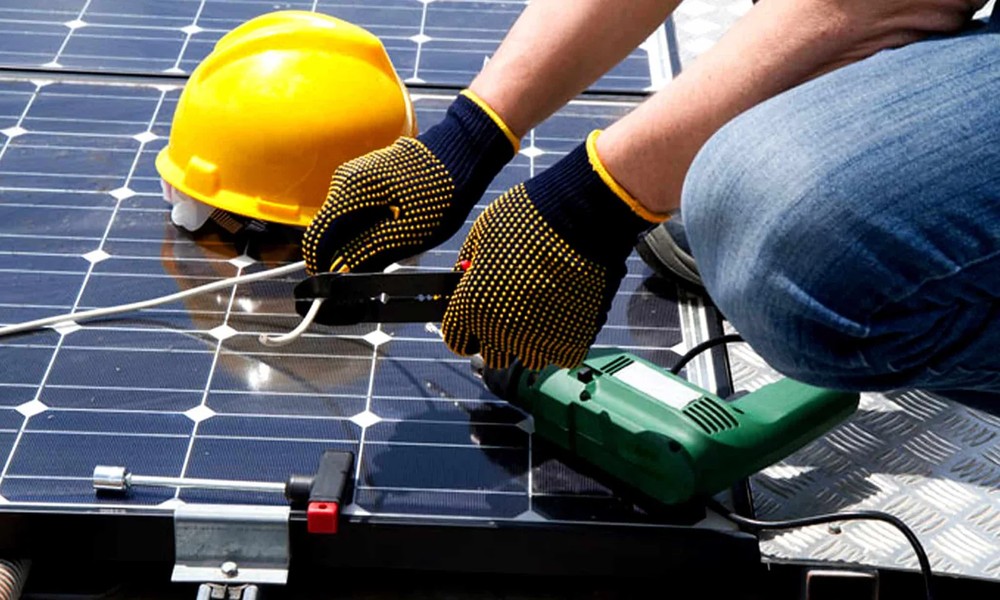

Solar panels serve homes, rental properties, offices, farms, and commercial sites every day. A planned service schedule protects roof hardware, electrical parts, and expected energy output. Property owners should call a licensed solar technician after alerts or visible damage. Clear service records help owners track repairs, warranty needs, and system performance.
For most properties, ongoing solar system maintenance fits best as one annual service visit. That visit should include panel checks, inverter review, wire tests, and mount inspection. Sites near trees, dust, birds, salt air, or storms may need semiannual service. A service plan should match roof conditions, equipment age, and energy use.
Recommended Service Intervals for Solar Panel Care
A reliable service interval starts with the property type and roof exposure. Most homes with clear roof space need one professional inspection each year. Commercial roofs with HVAC units, foot traffic, or dust may need two visits.
Older arrays deserve closer review after ten years of regular service. Technicians should check panel glass, clamps, rails, conduit, inverters, and disconnect boxes. Service notes should record output data, repair dates, and parts replaced. Warranty terms may require documented inspections at specific service intervals.
Seasonal Factors That Affect Solar Maintenance Timing
Seasonal service dates should reflect local debris, heat, rain, and roof access. A spring visit can remove pollen, leaves, and grime from panel surfaces. Summer service helps technicians review inverter vents, seals, and heat-related fault codes.
Fall care suits properties near trees because leaf buildup can block sunlight. Winter checks help sites with snow, ice, roof leaks, or storm damage. Property owners can use production reports to choose the best service month. Calendar reminders help prevent missed service during busy property schedules.
Annual Inspections That Keep Solar Systems Efficient
An annual inspection should connect site conditions with actual production records. The technician should compare the expected output with the utility bills and inverter data. Lower output may trace back to shade, dirty panels, loose wires, or inverter faults.
Mounts should stay tight, level, and free from roof movement damage. Accessible electrical hardware should receive safe torque checks from trained service personnel. A final report should list defects, completed repairs, and next service priorities. Photos from each visit help document the roof and panel condition.
Weather Conditions That Influence Maintenance Needs
Severe weather can create service needs between regular maintenance visits. Hail can damage glass, panel frames, seals, and roof attachment points. High winds may move branches against panel edges or exposed conduit paths.
Dust storms, ash, and salt film can reduce sunlight across panel surfaces. Heavy rain can reveal seal issues near mounts, penetrations, and junction areas. A post-storm inspection should cover panels, rails, roof surfaces, and inverter alerts. Insurance claims may need service reports after major storm damage.
Signs That Call for Immediate Solar Service
Certain warning signs need service before the next planned inspection date. A sudden output drop can signal panel damage, inverter trouble, or wire faults. Inverter error codes should receive review before they affect full system operation.
Burn marks, unusual odors, or tripped breakers need urgent professional attention. Mold growth or water stains near roof penetrations may point to seal or flashing problems. Loose conduit, cracked glass, and exposed cables require prompt service. Prompt repairs help protect both electrical safety and system output.
Professional solar maintenance works best when service follows a clear yearly plan. Extra visits make sense after storms, heavy debris, or unexplained output changes. Property owners should match service dates with roof exposure and production history. A practical plan for ongoing solar system maintenance protects system value and daily output. Contact a certified technician when records show faults, alerts, or visible damage. Consistent service helps solar panels stay safe, efficient, and ready for demand.