
Bringing thousands of people together for a parade, festival, or major sporting event can electrify a city, but it also puts enormous strain on local streets. The difference between a smooth-flowing event and hours-long gridlock often comes down to the planning and execution of traffic management.
Understanding the Complexity of Traffic Management for Special Events
Special events completely upend the usual flow of traffic. Streets that are typically commuter arteries may suddenly need to accommodate food trucks, pedestrian surges, or VIP convoys. Unlike daily traffic, these situations are dynamic, unpredictable, and high-stakes. Every intersection, sidewalk, and lane closure can impact not just convenience, but also public safety and emergency response.
Unique Challenges Presented by Special Events
Each event brings its own set of variables. Parades and marathons require extended lane closures and rolling barricades. Outdoor music festivals often mean irregular arrival and departure times, resulting in unpredictable peaks of vehicle and pedestrian movement. The stakes are higher when crowds exceed standard venue limits or when routes cut through residential districts.
Impact on Local Traffic Patterns and Public Safety
Disrupted bus routes, delayed emergency vehicles, and crowded sidewalks can quickly become serious problems. At large events, a single poorly marked detour can funnel traffic into residential streets not designed for high volumes, increasing the risk of accidents and delays.
Regulatory and Permit Requirements
Managing these complexities requires navigating municipal regulations. Obtaining a Road Occupancy Permit is just the beginning. Many cities demand detailed, site-specific traffic control plans that go far beyond standard diagrams, accounting for local geography, public transit, and emergency access.
Identifying Key Traffic Management Problems
Even the best-laid plans can encounter issues. Some of the most common headaches include:
Lane Closures and Road Occupancy Issues
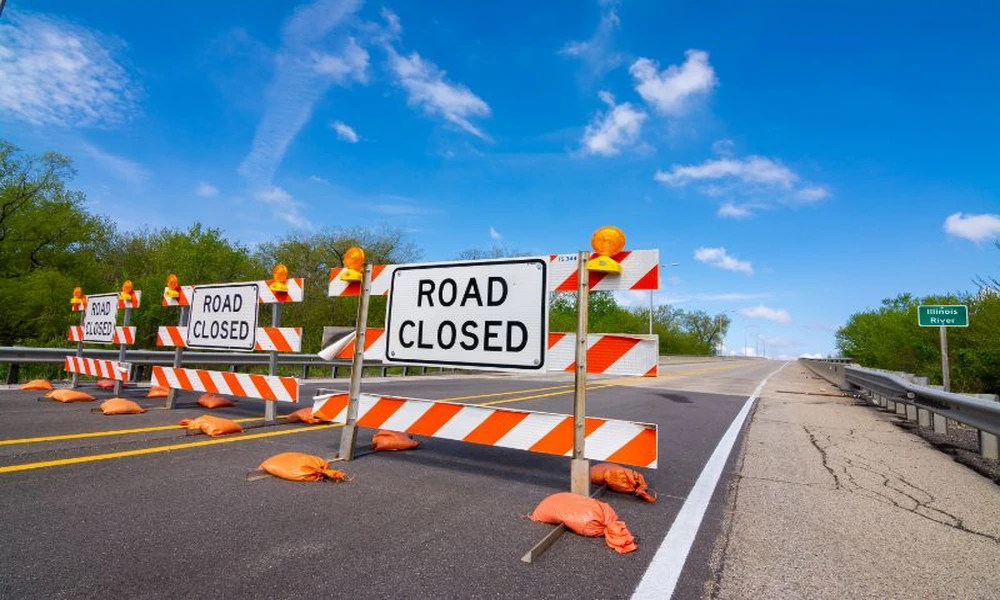
Shutting down a lane is never as simple as putting up cones. Planners must anticipate how rerouted traffic will impact nearby intersections and ensure that closures are clearly marked and communicated.
Crowd Control and Pedestrian Safety Concerns
Managing foot traffic is as important as vehicle flow. Overcrowded sidewalks and unsupervised crossings can lead to dangerous situations for both pedestrians and drivers.
Communication Breakdowns Among Stakeholders
With so many parties involved, city officials, police, event organizers, and the public, miscommunication can quickly derail efforts. Conflicting information or a lack of timely updates can result in confusion and delays.
Equipment and Resource Limitations
Traffic control requires more than a few signs and cones. Specialized equipment, such as illuminated message boards and portable barriers, must be available and in working condition. Resource gaps can lead to unsafe conditions or last-minute improvisation.
Effective Solutions to Overcome Traffic Challenges
Addressing these problems demands a blend of expertise, preparation, and technology.
Deploying Skilled Flagging and Traffic Control Crews
Experienced crews understand the nuances of real-time traffic flow. Flaggers can redirect vehicles and pedestrians safely, ensuring everyone moves smoothly through work zones or event areas, even as conditions change unexpectedly.
Designing Comprehensive, Site-Specific Traffic Control Plans
Generic plans fall short for special events. Tailored traffic control plans factor in all unique variables, entry points, crowd surges, local traffic rhythms, and emergency routes, so nothing is left to chance.
Utilizing Technology for Real-Time Traffic Monitoring and Communication
Modern events benefit from live traffic monitoring and rapid communication tools. Apps, digital signs, and social media updates can inform drivers and attendees of route changes or unexpected closures in real time.
Coordinating with Municipal Authorities and Emergency Services
Close collaboration with local authorities ensures all rules are followed and emergency access is prioritized. Proactive coordination prevents bottlenecks and keeps everyone, participants and residents, safe.
Implementing a Proactive Traffic Control Strategy
Success starts before the first road is closed.
Planning and Applying for Road Occupancy Permits
Early engagement with municipal permitting processes is crucial. Detailed, site-specific plans simplify approvals and avoid last-minute holdups.
Equipment Rental and Setup Best Practices
Reliable equipment is essential. Working with vendors who provide well-maintained, professional-grade equipment, as outlined in OTM Book 7 standards, reduces the risk of technical failures on event day.
Training and Preparing Traffic Management Personnel
Well-trained staff respond faster and more effectively when unexpected challenges arise. Drills and scenario planning help teams stay sharp.
Contingency Planning for Unexpected Situations
No plan survives first contact with a live crowd. Effective managers develop backup routes, staff backups, and emergency response options to handle incidents ranging from medical emergencies to sudden weather changes.
Measuring Success and Continuous Improvement
How do organizers know if their traffic management worked? Monitoring is key.
Monitoring Traffic Flow and Incident Reports
Collecting real-time data on traffic and incidents provides insight into what’s working and what needs improvement.
Gathering Feedback from Event Organizers and the Public
Soliciting input from all stakeholders uncovers blind spots and opportunities for improvement after each event.
Updating Traffic Control Plans Based on Lessons Learned
Refining processes based on real-world experiences builds stronger, safer events over time.
Actionable Steps for Event Organizers and Traffic Managers
Practical steps can make or break traffic management for any special event:
– Engage traffic control specialists early in the planning process.
– Establish clear, reliable communication channels across all teams.
– Schedule appropriate staffing levels for the size and complexity of the event.
– Rely on professional services familiar with local conditions and regulations, such as Salus Traffic Control services, to ensure safety and compliance.
Getting traffic right is no small feat, but with careful planning, skilled personnel, and reliable resources, special events can run smoothly for both attendees and the surrounding community.